
The Ozempic gallbladder lawsuit is part of the broader litigation involving GLP-1 medications and alleged gastrointestinal injuries. Plaintiffs in these lawsuits claim that drugs such as Ozempic can cause serious gastrointestinal and gallbladder-related problems and that manufacturers did not adequately warn patients about these risks.
Ozempic’s FDA-approved prescribing information does acknowledge a risk of acute gallbladder disease, including cholelithiasis (gallstones) and cholecystitis (inflammation of the gallbladder).
However, it is important to distinguish the FDA’s safety information from the allegations in pending lawsuits. The existence of a lawsuit does not mean a court has determined that Ozempic caused a particular person’s gallbladder injury.
Is There an Ozempic Gallbladder Lawsuit?
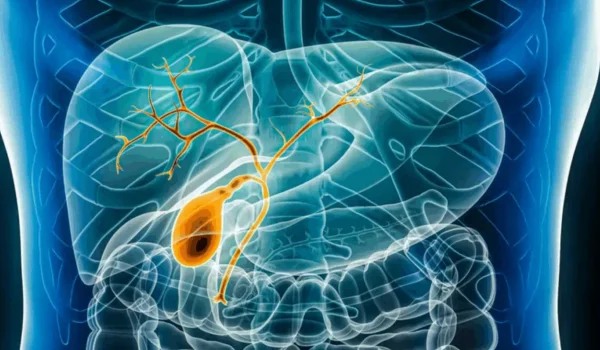
Yes. Gallbladder disease is specifically among the injuries being considered in the federal GLP-1 litigation known as MDL No. 3094 in the U.S. District Court for the Eastern District of Pennsylvania.
The MDL includes lawsuits involving:
- Ozempic
- Wegovy
- Rybelsus
- Trulicity
- Mounjaro
The court says the cases involve allegations concerning gastrointestinal injuries and questions about whether the manufacturers knew or should have known about these potential risks and whether their warnings were adequate. The manufacturers deny the allegations.
Importantly, the court’s case-management materials specifically identify gallbladder disease and gallstones among the injuries being discussed in the litigation.
What Gallbladder Problems Are Associated With Ozempic?
The FDA’s current Ozempic labeling includes a warning titled “Acute Gallbladder Disease.”
It states that acute gallbladder events, including:
- Cholelithiasis (gallstones)
- Cholecystitis (gallbladder inflammation)
have been reported in clinical trials and after marketing.
In the placebo-controlled trials described in the labeling, cholelithiasis was reported in:
| Ozempic dose | Reported cholelithiasis |
| 0.5 mg | 1.5% |
| 1 mg | 0.4% |
| Placebo | Not reported |
These figures come from the FDA prescribing information and should not be interpreted as proof that Ozempic caused every reported case.
What Is Cholelithiasis?
Cholelithiasis means gallstones.
Gallstones are hardened deposits that can develop inside the gallbladder.
Some people have gallstones without symptoms. Others can develop significant pain or complications if a stone blocks a bile duct.
Possible symptoms can include:
- Pain in the upper right abdomen
- Abdominal pain after eating
- Nausea
- Vomiting
- Back or shoulder pain
- Fever in some cases
- Jaundice if a bile duct becomes blocked
A person experiencing severe or persistent symptoms should seek medical evaluation.
What Is Cholecystitis?
Cholecystitis is inflammation of the gallbladder.
Gallstones are a common cause, particularly when a stone blocks the passage of bile.
Symptoms may include:
- Persistent upper abdominal pain
- Fever
- Nausea
- Vomiting
- Abdominal tenderness
Treatment depends on the cause and severity.
Why Is Ozempic Connected to Gallbladder Lawsuits?
The lawsuits generally focus on whether GLP-1 drugs can cause or contribute to serious gastrointestinal and gallbladder-related injuries and whether manufacturers adequately warned consumers and healthcare providers.
The federal court specifically lists gallbladder disease and gallstones among the medical issues involved in the litigation.
The legal claims can involve theories such as:
- Failure to warn
- Product liability
- Design-defect allegations
- Breach of warranty
- Other state-law claims
The exact claims can differ between individual lawsuits.
Does Ozempic Cause Gallstones?
The FDA recognizes an association between Ozempic treatment and reported acute gallbladder disease, including gallstones and cholecystitis.
But saying “Ozempic causes gallstones in everyone” would be inaccurate.
Gallstones can have multiple risk factors, including factors unrelated to medication.
In an individual lawsuit, the plaintiff generally needs evidence supporting the connection between the medication and the alleged injury.
That is one reason medical records and the patient’s treatment history can be important.
Is There an Ozempic Gallbladder Settlement?
There is currently no final, court-approved Ozempic gallbladder settlement for MDL 3094.
The federal litigation remains active. The Eastern District of Pennsylvania’s official MDL page lists ongoing 2026 case-management activity, including monthly conferences and recent scheduling orders.
Therefore, consumers should be careful with websites claiming that an “Ozempic gallbladder settlement” has already been finalized or that every affected person is entitled to a specific payout.
How Much Could an Ozempic Gallbladder Lawsuit Pay?
There is no guaranteed payout amount at this stage.
If an individual claim eventually results in a settlement or judgment, the amount could depend on factors such as:
- Severity of the gallbladder injury
- Medical treatment
- Hospitalization
- Surgery
- Medical expenses
- Lost income
- Long-term effects
- Evidence linking the injury to the drug
- Applicable state law
For example, someone who only experienced temporary symptoms would potentially have a very different claim from someone who required hospitalization and gallbladder surgery.
Therefore, claims that an Ozempic gallbladder lawsuit is automatically worth a particular dollar amount should be treated cautiously.
Can Ozempic Cause Gallbladder Removal?
Gallbladder disease can sometimes require surgery, including cholecystectomy, which is removal of the gallbladder.
But the fact that someone taking Ozempic underwent gallbladder removal does not by itself establish that Ozempic caused the need for surgery.
A medical and legal evaluation would generally consider:
- When Ozempic treatment began
- When gallbladder symptoms appeared
- Previous history of gallstones or gallbladder disease
- Other medications
- Weight changes
- Medical test results
- Diagnosis
- Treatment and surgery records
- Other possible causes
Ozempic Gallbladder Lawsuit vs. Stomach Paralysis Lawsuit
These are related but not identical claims.
| Ozempic issue | Main condition |
| Stomach paralysis | Gastroparesis |
| Gallstones | Cholelithiasis |
| Gallbladder inflammation | Cholecystitis |
| Intestinal blockage | Intestinal obstruction |
| Bowel slowdown | Ileus |
The federal MDL encompasses multiple alleged injuries rather than one single medical condition. The court specifically identifies gastroparesis, ileus, intestinal obstruction, gallbladder disease and gallstones among the issues involved.
What Is the Ozempic Lawsuit Status in 2026?
As of August 2026, the federal GLP-1 gastrointestinal litigation is still active.
The official court website identifies MDL 3094 as the litigation involving personal-injury claims related to GLP-1 drugs, including Ozempic, Wegovy, Rybelsus, Trulicity and Mounjaro.
The court’s docket shows continued activity in 2026, including:
- January 2026 — Case Management Order No. 30
- April 2026 — Amended Plaintiff Fact Sheets
- April 2026 — Amended scheduling order
- April 2026 — Case Management Order No. 32
This indicates that the litigation is still progressing rather than having reached a final settlement.
Does the FDA Warning Mean Ozempic Is Being Recalled?
No.
An FDA warning about a potential adverse effect is different from a drug recall.
The current Ozempic label specifically instructs patients about the potential risk of cholelithiasis or cholecystitis and says appropriate medical follow-up should be obtained if these conditions are suspected.
A lawsuit also does not automatically mean that a medication has been recalled.
Who May Have a Potential Ozempic Gallbladder Claim?
Potential eligibility depends on the individual circumstances.
A person who used Ozempic and subsequently developed serious gallbladder problems may want to discuss the situation with a qualified product-liability attorney.
Relevant evidence could include:
- Ozempic prescription records
- Pharmacy records
- Dates of treatment
- Dosage history
- Medical records
- Ultrasound results
- CT or other imaging
- Gallstone diagnosis
- Cholecystitis diagnosis
- Hospital records
- Gallbladder surgery records
- Medical bills
The timing of the injury can be particularly important when evaluating causation.
Is There an Ozempic Gallbladder Lawsuit Claim Form?
There is currently no general public claim form for an approved Ozempic gallbladder settlement associated with MDL 3094.
That means consumers should not assume that a website offering an “Ozempic settlement claim form” is an official settlement administrator.
Before providing personal information, verify the case through the federal court’s official MDL information and the actual settlement documents if a settlement is announced.
Frequently Asked Questions
Is there an Ozempic gallbladder lawsuit?
Yes. Gallbladder disease and gallstones are among the injuries addressed in the broader federal GLP-1 litigation, MDL 3094.
Does Ozempic cause gallstones?
The FDA labeling reports gallstones and other acute gallbladder events in Ozempic clinical trials and postmarketing experience. However, that does not mean every case of gallstones in an Ozempic user was caused by the drug.
Can Ozempic cause cholecystitis?
Acute cholecystitis has been reported with GLP-1 receptor agonists, and the current Ozempic labeling warns patients about this potential risk.
Is there an Ozempic gallbladder settlement in 2026?
No final settlement or universal payout has been announced for the federal litigation.
How much is the Ozempic gallbladder lawsuit worth?
There is no official settlement amount or guaranteed payout.
Is gallbladder removal covered by the lawsuit?
Gallbladder disease and gallstones are among the alleged injuries addressed in the MDL, but whether an individual gallbladder-removal case qualifies depends on its specific facts and legal requirements.
Bottom Line
The Ozempic gallbladder lawsuit is part of the larger federal GLP-1 products-liability litigation in MDL 3094. The litigation includes allegations involving gallstones, gallbladder disease and other serious gastrointestinal injuries.
The FDA’s current Ozempic labeling confirms that acute gallbladder disease, including cholelithiasis and cholecystitis, has been reported and provides specific warnings about these conditions.
However, there is no final Ozempic gallbladder settlement or guaranteed payout as of August 2026. The litigation is ongoing, and the allegations against Novo Nordisk have not been established as final findings of liability.