
The Blake Lively lawsuit involving actor and director Justin Baldoni became one of the most closely watched entertainment-law disputes in the United States. The legal battle grew out of the production and promotion of the 2024 film It Ends With Us, in which Lively starred and Baldoni served as both a co-star and director.
Lively accused Baldoni and others associated with the film of sexual harassment and retaliation, including an alleged campaign intended to damage her reputation after she raised concerns about conduct during production. Baldoni denied the allegations and later filed his own lawsuit against Lively, her husband Ryan Reynolds and others, seeking hundreds of millions of dollars.
The litigation became increasingly complex, involving allegations of harassment, retaliation, defamation, public relations activity and the First Amendment. In 2025, Baldoni’s major claims against Lively were dismissed. In April 2026, a federal judge dismissed most of Lively’s remaining claims. The parties ultimately settled the main dispute in May 2026, avoiding the scheduled trial.
What Was the Blake Lively Lawsuit About?
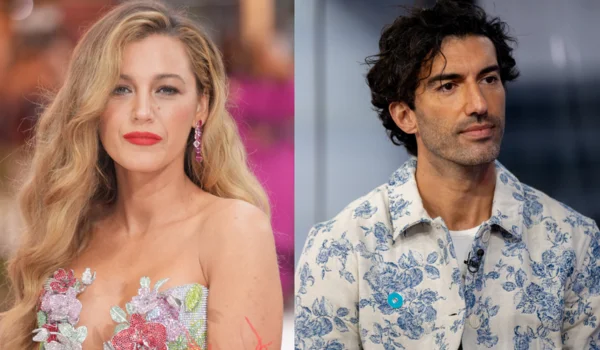
Blake Lively’s legal dispute with Justin Baldoni arose from events surrounding It Ends With Us.
Lively alleged that Baldoni engaged in inappropriate conduct during the production of the movie and that she experienced sexual harassment and other workplace-related misconduct. She also alleged that after she raised concerns, Baldoni and people working with him participated in an effort to damage her reputation publicly.
Her claims eventually became part of a federal lawsuit in the Southern District of New York.
Baldoni denied Lively’s allegations. His side presented a substantially different version of events, arguing that Lively attempted to exert control over the film and that allegations against him were false.
What Did Blake Lively Accuse Justin Baldoni Of?
Lively’s lawsuit included allegations involving sexual harassment, retaliation and conduct she said created an inappropriate working environment.
Among the allegations reported from her complaint were claims that Baldoni made inappropriate comments, violated boundaries during production and engaged in conduct involving intimacy scenes that she found unacceptable.
Lively further alleged that a campaign was organized to influence public opinion against her after she complained about the alleged behavior.
These were allegations made in litigation, not findings that were established by a trial verdict. Baldoni denied wrongdoing.
What Was Justin Baldoni’s Response?
Baldoni strongly disputed Lively’s account.
He argued that the allegations were false and that the dispute was connected to disagreements over the production of It Ends With Us. His legal team maintained that evidence, including communications and video from the production, contradicted Lively’s version of events.
Baldoni subsequently filed a separate lawsuit against Lively, Ryan Reynolds and others. His lawsuit accused them of defamation and other wrongdoing and sought approximately $400 million in damages.
What Happened to Baldoni’s $400 Million Lawsuit?
Baldoni’s countersuit became an important part of the broader legal battle.
In June 2025, U.S. District Judge Lewis J. Liman dismissed Baldoni’s lawsuit against Lively and Reynolds. His separate lawsuit against The New York Times was also dismissed.
The dismissal was significant because it removed Baldoni’s major defamation claims from the litigation before the dispute reached trial.
A dismissal of a lawsuit, however, should not automatically be interpreted as a finding that every factual allegation made by the opposing party was true. Courts can dismiss claims because of legal deficiencies, jurisdictional issues, pleading requirements or other reasons.
Why Were Most of Blake Lively’s Claims Dismissed?
In April 2026, Judge Liman dismissed 10 of Lively’s 13 claims.
Among the claims dismissed were her sexual-harassment claims against Baldoni. The court concluded, among other things, that Lively’s status as an independent contractor created problems for pursuing certain employment-related claims under federal law.
The judge also found legal problems with some of the other claims.
Three claims remained at that stage, including a breach-of-contract claim and retaliation-related claims under California law.
This ruling did not mean that a court had conducted a trial and determined that the underlying allegations were false. Rather, it was a decision about which legal claims could proceed under the applicable law.
Did Blake Lively and Justin Baldoni Go to Trial?
No.
The remaining dispute had been scheduled for trial in May 2026. However, on May 4, 2026, Lively and Baldoni announced that they had reached a settlement.
The settlement avoided the planned civil trial, where both actors had been expected to testify. The financial terms of the settlement were not publicly disclosed.
Does the Settlement Mean Blake Lively Won?
Not in the sense of receiving a trial judgment establishing that all of her allegations were proven.
The settlement resolved the dispute without a trial verdict. Neither side received a jury judgment determining the truth of all the competing allegations.
This distinction is important in U.S. civil litigation. A settlement generally represents an agreement to resolve a dispute rather than a judicial finding that one side was completely correct.
Did Justin Baldoni Admit Wrongdoing?
There was no trial finding that Baldoni was liable for the allegations made by Lively.
Baldoni had consistently denied the allegations. The settlement itself should therefore not automatically be described as an admission of liability or wrongdoing.
Likewise, the dismissal of some of Lively’s claims should not be described as a judicial finding that every allegation she made was false.
What Happened to the Trial?
The settlement meant that the trial scheduled for May 18, 2026, did not take place.
The settlement effectively ended the main claims between Lively and Baldoni without the public testimony and jury verdict that had been expected.
However, some legal issues continued after the settlement, particularly concerning attorneys’ fees and litigation costs.
Blake Lively’s Legal Fee Dispute
After the main settlement, another legal issue remained.
In June 2026, a federal judge ruled that Lively was entitled to seek certain legal fees and costs connected with defending against Baldoni’s dismissed countersuit. Lively’s attorneys later submitted a request for more than $8 million in attorneys’ fees and costs.
Baldoni and Wayfarer Studios challenged that request and argued that the amount should be denied or substantially reduced. As of the latest reports, the fee dispute remained separate from the main settlement.
Why Is the Blake Lively Case Important in U.S. Law?
The case demonstrates several important principles of American civil litigation.
- Allegations Are Not the Same as Findings
A lawsuit contains claims made by a plaintiff. Those claims must be legally sufficient and, if contested and taken to trial, supported by evidence.
- Employment Status Can Matter
Whether someone is classified as an employee or independent contractor can affect which employment laws and protections apply.
This issue played an important role in the court’s decision concerning Lively’s sexual-harassment claims.
- Defamation Lawsuits Have Specific Legal Requirements
Baldoni’s countersuit demonstrated how difficult high-profile defamation litigation can become. Claims involving public statements, reputation and alleged damages must satisfy applicable legal standards.
- Settlement Avoids a Trial Verdict
A settlement can resolve a lawsuit without a judge or jury deciding every factual dispute.
That is particularly common in high-profile civil litigation where both sides face significant legal expenses and reputational risks.
- Legal Fees Can Become a Separate Issue
Even after the underlying claims are resolved, courts can still have to determine whether one party is entitled to recover attorneys’ fees or litigation costs.
Current Status of the Blake Lively Lawsuit
The main Blake Lively–Justin Baldoni legal dispute was settled in May 2026, ending the litigation that was headed toward a civil trial.
Before the settlement, the court had dismissed Baldoni’s major countersuit and later dismissed most of Lively’s claims. The remaining dispute was resolved through settlement rather than a trial verdict.
A separate dispute over Lively’s request for attorneys’ fees and costs continued after the settlement, with Baldoni’s side challenging the amount requested.
The case remains an important example of how entertainment disputes can develop into complex U.S. litigation involving employment law, retaliation, defamation, reputation management, contract claims and attorneys’ fees.
FAQs About the Blake Lively Lawsuit
What was Blake Lively’s lawsuit against Justin Baldoni about?
Lively accused Baldoni and others connected with It Ends With Us of sexual harassment and retaliation and alleged that an effort was made to damage her reputation after she raised concerns.
Did Justin Baldoni sue Blake Lively?
Yes. Baldoni filed a countersuit against Lively, Ryan Reynolds and others, seeking approximately $400 million and alleging defamation and other wrongdoing. His major claims were dismissed in 2025.
Did Blake Lively and Justin Baldoni settle?
Yes. The parties announced a settlement on May 4, 2026, avoiding the scheduled trial.
How much money did Blake Lively receive?
The publicly announced settlement did not disclose financial terms.
Was Justin Baldoni found guilty?
No. This was a civil dispute, not a criminal conviction. The main litigation ended through settlement rather than a trial verdict.
Did Blake Lively win the lawsuit?
There was no final trial judgment awarding her damages on the main claims. The dispute was settled after the court had dismissed most of her claims.
Is the legal dispute completely over?
The main claims were settled, but a separate dispute concerning Lively’s attorneys’ fees and litigation costs continued afterward.