
The Amazon Fire TV Stick lawsuit refers to a proposed class action filed in 2026 that accuses Amazon of deliberately reducing the performance of older Fire TV Stick devices after software support ended.
The lawsuit claims Amazon used what the plaintiff calls “software tethering” to make older Fire TV Sticks increasingly slow or unusable, encouraging customers to purchase newer devices. These allegations have not been proven in court, and Amazon had not publicly responded to the allegations at the time of the reports.
There is also a separate 2026 Fire TV privacy lawsuit alleging that Amazon’s Fire TV system secretly collected users’ viewing information through automatic content recognition. That case should not be confused with the performance lawsuit.
What Is the Amazon Fire TV Stick Lawsuit About?
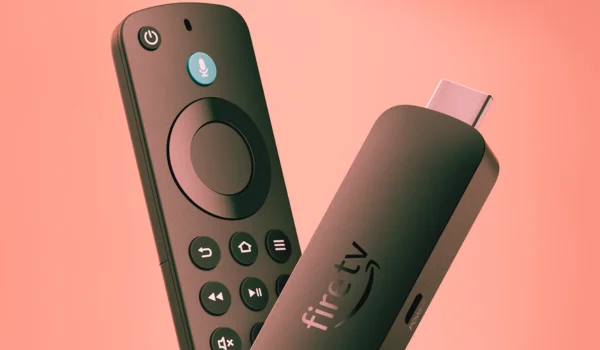
The lawsuit was filed in California by Bill Merewhuader, who alleges that Amazon intentionally reduced the functionality of older Fire TV Stick models.
According to reports, Merewhuader purchased a second-generation Fire TV Stick in 2018. He claims that the device became extremely slow and eventually stopped functioning properly despite the underlying hardware still being usable.
The lawsuit argues that Amazon did not adequately disclose how long the devices would receive software support or that their functionality could deteriorate after support ended.
The plaintiff is seeking class-action status and damages for consumers who allegedly experienced similar problems.
Which Fire TV Stick Models Are Involved?
The lawsuit primarily focuses on first- and second-generation Fire TV Stick devices.
According to reports:
- Support for the first-generation Fire TV Stick ended in December 2022.
- Support for the second-generation Fire TV Stick ended in March 2023.
- The plaintiff claims his second-generation device became unusable by 2024.
This does not mean that every Fire TV Stick from these generations is automatically part of a certified class.
The court would need to determine whether the proposed class should be certified and which consumers qualify.
What Is “Software Tethering”?
The plaintiff uses the term “software tethering” to describe what he alleges Amazon did to older devices.
The basic allegation is that Amazon controlled the devices through software updates and support decisions.
The lawsuit claims that Amazon:
- Stopped providing software support for older devices.
- Allowed their performance to deteriorate.
- Failed to clearly disclose the expected support period.
- Caused consumers to replace otherwise functional hardware.
- Benefited from customers purchasing newer Fire TV devices.
These are claims by the plaintiff, not findings that Amazon intentionally sabotaged the devices.
Did Amazon Intentionally “Brick” Fire TV Sticks?
That is one of the central allegations.
Some reports describe the lawsuit as accusing Amazon of “bricking” older Fire TV Sticks.
However, it is important not to state that Amazon intentionally destroyed the devices as an established fact.
The lawsuit alleges that Amazon’s software and support decisions caused older Fire TV Sticks to become slow or unusable. Whether Amazon intentionally designed the devices to fail in order to encourage upgrades is a question that would have to be established through the litigation.
Why Did the Fire TV Stick Become Slow?
The lawsuit’s theory is that the problem resulted from Amazon’s software and support practices.
Older streaming devices can also become slower for ordinary technical reasons, including:
- Newer software requiring more resources
- Limited storage
- Aging hardware
- App updates
- Compatibility problems
- Lack of software optimization
The lawsuit, however, argues that Amazon’s conduct went beyond normal technological aging.
That distinction will likely be important as the case develops.
Is Amazon Being Sued for Planned Obsolescence?
Yes, essentially.
The lawsuit raises concerns similar to planned obsolescence, where a product allegedly becomes unusable or less useful sooner than consumers reasonably expected.
The plaintiff argues that Amazon did not adequately disclose the expected lifespan or software-support period of the affected Fire TV Stick models.
However, Amazon has not been found liable for planned obsolescence.
Can Fire TV Stick Owners Get Money?
Not at this time.
The 2026 Fire TV Stick lawsuit is a proposed class action. There is currently no confirmed settlement or approved payment program for Fire TV Stick owners.
Therefore, claims circulating online that Amazon is currently paying every Fire TV Stick owner a specific amount should not be treated as confirmed.
A payment would generally require a settlement or judgment and, for a class action, court approval of the relevant class and distribution process.
Is There a $500 or $1,000 Fire TV Stick Settlement?
There is no confirmed $500 or $1,000 settlement associated with this lawsuit based on the currently available information.
The complaint seeks damages, but that does not mean every class member will receive a particular amount.
If a settlement is eventually reached, the amount could depend on factors such as:
- Which Fire TV Stick model was purchased
- Purchase date
- Whether the device stopped functioning
- Whether the consumer purchased a replacement
- The size of the certified class
- The amount ultimately approved by the court
Amazon Fire TV Privacy Lawsuit
A different lawsuit filed in May 2026 concerns privacy and viewing-data collection.
In Manypenny et al. v. Amazon.com, Inc. et al., two Fire TV users allege that Amazon’s Fire TV software uses automatic content recognition (ACR) to collect information about what appears on the television screen.
The complaint alleges that the technology can capture information about:
- Shows being watched
- Apps being used
- Advertising content
- Screen activity
- Audio output
The plaintiffs allege that this information was collected and used for targeted advertising without adequate informed consent.
Again, these are allegations, and Amazon has not been found liable in that case.
Is the Privacy Case About Fire TV Sticks?
It can involve the broader Fire TV ecosystem, including Amazon-branded Fire TVs and televisions made by other manufacturers that use Amazon’s Fire TV operating system.
So it should not automatically be described as a lawsuit against every Fire TV Stick owner.
Fire TV Stick Lawsuit vs. Fire TV Privacy Lawsuit
| Issue | Fire TV Stick Performance Case | Fire TV Privacy Case |
| Main allegation | Older devices allegedly slowed or became unusable | Viewing activity allegedly collected without proper consent |
| Main concern | Software support and device longevity | Privacy and data collection |
| Filed | 2026 | 2026 |
| Class action | Proposed | Proposed |
| Settlement | None confirmed | None confirmed |
| Amazon found liable? | No | No |
What Is the Current Status?
As of August 2026, the Fire TV Stick performance lawsuit is still a pending proposed class action.
There has been no final judgment establishing that Amazon deliberately degraded the devices.
There is also no confirmed settlement available for consumers to claim.
The Fire TV privacy lawsuit is likewise still at the litigation stage.
Frequently Asked Questions
Is Amazon being sued over Fire TV Stick devices?
Yes. A 2026 proposed class action alleges Amazon deliberately reduced the functionality of older Fire TV Stick models through software and support decisions.
Which Fire TV Sticks are involved?
The lawsuit focuses on first- and second-generation Fire TV Stick models.
Did Amazon intentionally make old Fire TV Sticks stop working?
That is an allegation in the lawsuit, not a proven fact.
Is there a Fire TV Stick class action settlement?
No confirmed settlement has been announced.
Can I file a Fire TV Stick lawsuit claim?
There is currently no confirmed settlement claims process for this lawsuit.
Will Amazon pay Fire TV Stick owners?
There is currently no court-approved payout program associated with this case.
Is the Fire TV Stick lawsuit about privacy?
There is a separate Fire TV privacy lawsuit. It alleges Amazon collected viewing information through automatic content recognition.
Does the lawsuit include every Amazon Fire TV device?
Not necessarily. The proposed class and the specific devices covered will depend on the lawsuit and any future court decisions.
Bottom Line
The 2026 Amazon Fire TV Stick lawsuit alleges that Amazon deliberately degraded older Fire TV Sticks after software support ended, potentially forcing customers to buy newer devices. The allegations have not been proven, and there is currently no confirmed settlement or consumer payout.