
A motorcycle crash lawsuit is a legal case filed when a motorcycle rider or passenger suffers injuries or losses because another person, driver, company, or other party may be legally responsible for the accident.
Motorcycle crashes can lead to serious injuries and expensive losses. A victim may have medical bills, lost income, motorcycle repair costs, and long-term rehabilitation expenses. In some cases, the injuries may prevent the person from returning to work or enjoying normal daily activities.
A motorcycle accident does not automatically mean the injured rider will receive compensation. The victim generally needs to establish that another party was legally responsible and that the accident caused compensable damages.
This guide explains how motorcycle crash lawsuits work in the United States, what compensation may be available, how insurance claims differ from lawsuits, and what to do after a motorcycle accident.
What Is a Motorcycle Crash Lawsuit?
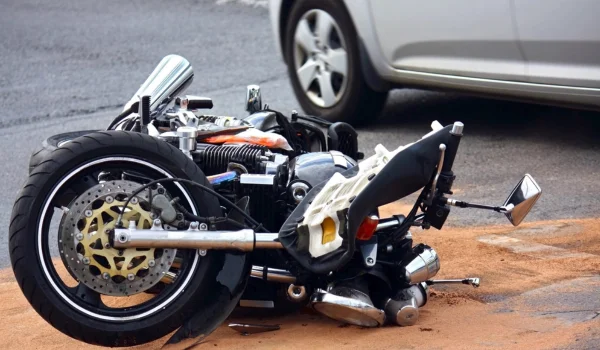
A motorcycle crash lawsuit is a civil legal action seeking compensation for losses caused by a motorcycle accident.
The lawsuit may involve:
- A motorcycle rider
- A motorcycle passenger
- Another driver
- A trucking company
- A vehicle manufacturer
- A motorcycle manufacturer
- A government agency
- An insurance company
- A property owner
- Another potentially responsible party
Most motorcycle accident cases involve allegations of negligence.
For example, a rider could sue a driver who allegedly caused a crash by texting while driving, running a red light, speeding, or failing to yield.
The exact legal requirements vary by state.
Common Causes of Motorcycle Crashes
Motorcycle crashes can happen for many reasons.
Some common causes include:
Distracted Driving
A driver looking at a phone, navigation system, food, or another distraction may fail to notice a motorcycle.
Failure to Yield
Drivers sometimes fail to recognize motorcycles at intersections or when changing lanes.
Speeding
Excessive speed can reduce reaction time and increase the severity of a collision.
Unsafe Lane Changes
A driver may move into a motorcycle’s lane without properly checking the blind spot.
Driving Under the Influence
Alcohol or drugs can significantly impair judgment and reaction time.
Dangerous Road Conditions
Potholes, debris, inadequate road maintenance, or other hazards can contribute to crashes.
Defective Motorcycle Parts
A defective brake, tire, steering component, or other part could potentially create a product-liability claim.
Who Can Be Sued After a Motorcycle Crash?
The responsible party depends on the circumstances.
Another Driver
This is one of the most common defendants.
If another driver’s negligence caused the crash, the injured rider may pursue compensation through that driver’s insurance and, where appropriate, a lawsuit.
Commercial Truck or Bus Company
If a commercial vehicle caused the accident, additional parties may potentially be involved, including the driver and the company.
Commercial-vehicle cases can involve more complicated insurance and liability issues.
Motorcycle Manufacturer
If a defective motorcycle or component caused the crash, a manufacturer or other company in the supply chain could potentially face a product-liability claim.
Government Entity
If dangerous road conditions contributed to an accident, a government entity could potentially be responsible in some circumstances.
However, claims against government entities often have special rules and shorter deadlines.
How Do You Prove Fault in a Motorcycle Crash?
The evidence needed depends on the circumstances and the state’s law.
Common evidence includes:
- Police accident reports
- Photographs of the crash scene
- Motorcycle damage photographs
- Vehicle damage photographs
- Traffic-camera footage
- Dashcam footage
- Helmet-camera footage
- Witness statements
- Medical records
- Accident reconstruction evidence
- Cellphone records
- Insurance records
- Expert testimony
Evidence showing what happened immediately before the crash can be especially important.
For example, if a driver claims the motorcycle suddenly entered the driver’s lane, a dashcam recording or independent witness may provide evidence that contradicts that account.
What Is Negligence?
Negligence generally means that someone failed to use reasonable care and that this failure caused harm.
A motorcycle accident negligence claim commonly involves four basic elements:
- Duty – The defendant owed a duty of reasonable care.
- Breach – The defendant allegedly failed to meet that duty.
- Causation – The breach caused or contributed to the crash.
- Damages – The victim suffered legally compensable losses.
For example, drivers generally have a duty to operate their vehicles safely. If a driver looks at a phone, runs a red light and hits a motorcycle, the injured rider may have evidence supporting a negligence claim.
Motorcycle Accident Injuries
Motorcycle crashes can cause serious injuries because riders have less physical protection than occupants of enclosed vehicles.
Potential injuries include:
- Broken bones
- Road rash
- Head injuries
- Traumatic brain injuries
- Spinal cord injuries
- Neck injuries
- Back injuries
- Internal injuries
- Nerve damage
- Amputations
- Burns
- Soft-tissue injuries
Some injuries may require months or years of treatment.
A serious injury can also affect the victim’s ability to work and perform ordinary activities.
What Compensation Can You Receive?
Compensation depends on the facts of the case and the applicable state law.
Potential damages can include:
Medical Expenses
A claim may include reasonable medical costs related to the accident.
These can include:
- Emergency treatment
- Hospitalization
- Surgery
- Medication
- Physical therapy
- Rehabilitation
- Follow-up appointments
- Medical equipment
Future medical expenses may also be relevant when an injury requires continuing treatment.
Lost Wages
If the victim cannot work because of the accident, lost income may be included in a claim.
Loss of Future Earning Capacity
A serious injury may reduce a person’s ability to earn money in the future.
For example, a permanent disability could prevent someone from returning to the same occupation.
Pain and Suffering
Depending on state law, victims may be able to seek compensation for physical pain and emotional suffering.
Property Damage
A claim may include damage to the motorcycle and other personal property.
Loss of Enjoyment of Life
Some states allow damages related to the effect of serious injuries on a person’s ability to enjoy normal activities.
What If the Motorcycle Rider Was Partly at Fault?
Being partly responsible for a crash does not necessarily mean the rider cannot recover compensation.
Many states use comparative-fault rules.
For example, suppose a court determines that:
- Total damages = $100,000
- Motorcycle rider = 20% at fault
- Other driver = 80% at fault
Under a system where a 20% reduction applies, the rider could potentially recover $80,000.
However, the rules vary considerably among states. Some states use modified comparative negligence, while others apply different approaches.
This is why determining the state where the crash occurred is important.
What If the Motorcycle Rider Was Not Wearing a Helmet?
Helmet laws vary by state.
Failure to wear a helmet can potentially affect a motorcycle accident claim depending on the state’s laws and the relationship between helmet use and the injuries suffered.
For example, if a rider suffered a leg fracture unrelated to head protection, the legal effect could be different from a case involving a head injury.
A helmet violation does not automatically mean another driver’s negligence disappears.
The exact law of the state where the accident happened matters.
Motorcycle Crash Insurance Claim vs. Lawsuit
An insurance claim and a lawsuit are not necessarily the same thing.
Insurance Claim
The injured person first may submit a claim to an insurance company.
The insurer investigates the accident and may offer a settlement.
Lawsuit
If the parties cannot reach an acceptable resolution, the injured person may file a lawsuit within the applicable deadline.
The case can then proceed through discovery, motions, settlement negotiations and potentially trial.
Many personal injury cases settle without going to trial.
What If the Other Driver Has No Insurance?
An uninsured driver does not necessarily mean the injured rider has no possible source of compensation.
Depending on the rider’s insurance policy and state law, uninsured motorist or underinsured motorist coverage may provide protection.
Other potential sources can depend on who was responsible for the accident.
Insurance coverage should be reviewed carefully because the policy language and state law can affect available benefits.
What If the Other Driver Leaves the Scene?
A hit-and-run motorcycle crash can make the case more difficult, but victims may still have options.
Useful evidence can include:
- License-plate information
- Security-camera footage
- Dashcam footage
- Witness statements
- Police reports
- Vehicle debris
- Nearby business video
The rider should report the accident to law enforcement and notify the appropriate insurance company.
How Long Do You Have to File a Motorcycle Crash Lawsuit?
There is no single deadline across the United States.
Each state has its own statute of limitations for personal injury and property-damage claims.
The deadline can also be different when the defendant is a government entity.
Certain circumstances can change when the limitations period begins or whether it can be extended.
Because missing the applicable deadline can result in losing the ability to pursue a claim, an injured person should identify the correct deadline as soon as possible.
What Should You Do After a Motorcycle Crash?
If you are physically able, several steps can help protect your health and potential legal claim.
- Seek Medical Attention
Some serious injuries may not be immediately obvious.
Follow medical instructions and keep records of treatment.
- Call the Police
A police report can provide an important record of the accident.
- Take Photos
Photograph:
- Motorcycle damage
- Other vehicles
- Road conditions
- Traffic signs
- Injuries
- Skid marks
- Debris
- The surrounding area
- Collect Witness Information
Get names and contact information from people who witnessed the accident, when possible.
- Preserve Video Evidence
If nearby businesses or homes have cameras, relevant footage may be overwritten after a period of time.
- Notify Your Insurance Company
Report the accident according to the requirements of your policy.
However, be careful when providing statements about fault or the extent of your injuries.
- Keep Your Records
Create a file containing medical bills, receipts, insurance correspondence and other accident-related documents.
Should You Accept the Insurance Company’s First Settlement Offer?
You do not necessarily have to accept the first offer.
An early settlement may not account for future medical treatment, lost income or the full impact of a serious injury.
Before accepting a settlement, you should understand:
- Total medical expenses
- Future treatment needs
- Lost wages
- Insurance coverage limits
- Comparative-fault issues
- Potential future damages
- Whether the settlement releases future claims
Once a settlement agreement is finalized, you may have limited or no ability to seek additional compensation for the same claim.
How Much Is a Motorcycle Crash Lawsuit Worth?
There is no standard motorcycle accident settlement amount.
Two accidents that appear similar can result in very different compensation.
Factors can include:
| Factor | Potential effect |
| Severity of injuries | More serious injuries can increase damages |
| Medical expenses | Higher reasonable expenses may increase economic damages |
| Lost income | Work limitations can increase losses |
| Permanent disability | May substantially affect damages |
| Fault | Comparative fault can reduce recovery |
| Insurance coverage | Policy limits can affect available compensation |
| Evidence | Strong evidence can support liability |
| State law | Determines important legal rules |
A website promising every motorcycle crash victim a specific payout amount should therefore be treated cautiously.
Do You Need a Motorcycle Accident Lawyer?
Not every minor motorcycle accident requires an attorney.
However, legal representation may be particularly useful when:
- Someone suffered serious injuries
- Liability is disputed
- The rider is accused of causing the crash
- Multiple vehicles were involved
- A commercial vehicle was involved
- There is a fatality
- The insurance company denies the claim
- The accident involves a defective motorcycle part
- There is a permanent disability
- A government entity may be responsible
A motorcycle accident attorney can investigate the accident, identify potentially responsible parties, calculate damages and negotiate with insurers.
Motorcycle Crash Lawsuit Settlement
Most personal injury disputes can potentially be resolved through settlement rather than trial.
A settlement is a negotiated agreement in which the parties resolve the claim in exchange for agreed compensation and other terms.
The settlement amount can depend on:
- Strength of evidence
- Medical records
- Insurance limits
- Liability
- Severity of injuries
- Future losses
- Negotiation
- Applicable state law
A settlement is not an admission of wrongdoing unless the agreement specifically provides otherwise.
Wrongful Death Motorcycle Crash Lawsuit
If a motorcycle crash results in death, eligible surviving family members may potentially bring a wrongful death claim, depending on state law.
Possible damages can include:
- Funeral and burial expenses
- Medical expenses before death
- Loss of financial support
- Loss of companionship
- Loss of services
- Other damages allowed under state law
Wrongful-death laws differ significantly from state to state.
Frequently Asked Questions
Can a motorcycle rider sue after a crash?
Yes, if another party may be legally responsible and the rider suffered compensable damages.
How long after a motorcycle accident can you sue?
The deadline depends on the state and circumstances. The applicable statute of limitations should be checked promptly.
Can I sue if I was partially at fault?
Possibly. Comparative-fault rules allow recovery in many states, although the amount may be reduced and some states impose limits on recovery.
What if the other driver was uninsured?
Your uninsured or underinsured motorist coverage may potentially provide compensation, depending on your policy and state law.
Can I sue for pain and suffering?
In many personal injury cases, pain and suffering can be part of the damages. State law determines when and how these damages are available.
What if I was not wearing a helmet?
The effect depends on the applicable state helmet law and the injuries involved. It does not automatically eliminate every possible claim.
How much money can I get from a motorcycle crash lawsuit?
There is no fixed amount. Compensation depends on injuries, medical expenses, lost income, fault, insurance coverage and other factors.
Should I talk to the other driver’s insurance company?
You generally should report the accident as required, but be cautious about making statements that could be interpreted as admitting fault or minimizing your injuries.
Bottom Line
A motorcycle crash lawsuit can help an injured rider seek compensation when another party’s negligence or other legally actionable conduct caused the accident. Potential damages can include medical expenses, lost wages, property damage and, where allowed, pain and suffering. Because motorcycle accident laws, helmet rules, comparative fault and filing deadlines vary by state, the specific facts and location of the crash are critical.